
Is a Pessary the Solution You've Been Searching For?
When pelvic discomfort or prolapse symptoms start affecting daily life, finding a practical and effective solution becomes a priority. A pessary is a device designed to support pelvic organs and relieve symptoms without surgery. But is a pessary right for you? This post explores what a pessary is, who can benefit from it, and what to expect when using one.
What Is a Pessary and How Does It Work?
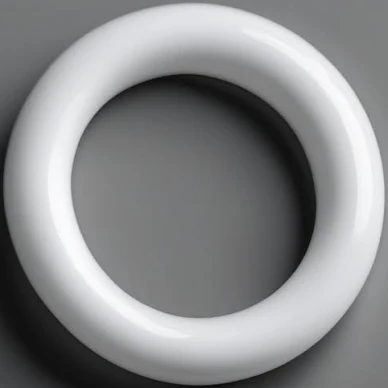
A pessary is a small, flexible device made of silicone or plastic, inserted into the vagina to support areas affected by pelvic organ prolapse. It acts as internal support, holding the bladder, uterus, or rectum in place when these organs have shifted downward and into the vaginal canal.
Pessaries come in various shapes and sizes, including ring-shaped, cube-shaped, and donut-shaped options. The right type depends on the specific condition and anatomy of the individual. Healthcare providers usually fit the pessary during an office visit, ensuring comfort and effectiveness.
Who Can Benefit from Using a Pessary?
Many people experience pelvic organ prolapse or stress urinary incontinence, especially after childbirth, menopause, or due to aging. A pessary offers a non-surgical option for managing these conditions. Here are some common situations where a pessary might help:
Pelvic organ prolapse: When the uterus, bladder, or rectum drops into the vaginal canal, causing pressure, discomfort, or bulging.
Stress urinary incontinence: Leakage of urine during activities like coughing, sneezing, or exercise due to the bladder dropping into the vaginal canal or the urethra needing a little more support.
Temporary relief before surgery: Some use a pessary to manage symptoms while waiting for surgery to correct a pelvic organ prolapse or when surgery is not an option.
Postpartum support: After childbirth, a pessary can provide support during recovery in the presence of a prolapse.
People who want to avoid surgery or those with health conditions that make surgery risky often find pessaries a valuable alternative.
What to Expect When Using a Pessary
Using a pessary requires some adjustment and care, but many find it improves quality of life significantly. Here’s what to know before deciding:
Fitting and insertion: A healthcare provider will measure and fit the pessary. Some people can learn to insert and remove it themselves, while others prefer professional help.
Comfort: Initially, there may be some awareness of the device, but it should not cause pain or significant discomfort.
Maintenance: Pessaries need regular cleaning. The frequency depends on the type of pessary and provider directions.
Follow-up visits: Regular check-ups ensure the pessary fits well and does not cause irritation or infection.
Possible side effects: Mild vaginal discharge or spotting can occur. Serious complications are rare but require medical attention.
Practical Tips for Living with a Pessary
Adapting to a pessary involves some lifestyle adjustments. Here are practical tips to make the experience smoother:
Hygiene: Wash hands before insertion or removal. Clean the pessary with mild soap and water. Sterilize it in boiling water.
Activity: Most daily activities, including exercise, are possible with a pessary in place.
Sexual activity: Some pessaries must be removed before sex; discuss options with your provider.
Watch for symptoms: Report unusual pain, bleeding, or foul-smelling discharge promptly.
When to Consult a Healthcare Provider
If you experience worsening symptoms, discomfort, or signs of infection, contact your healthcare provider. Also, if a pessary feels loose or falls out frequently, a refitting may be necessary.


Comments