
Effective Strategies for Postpartum Exercise
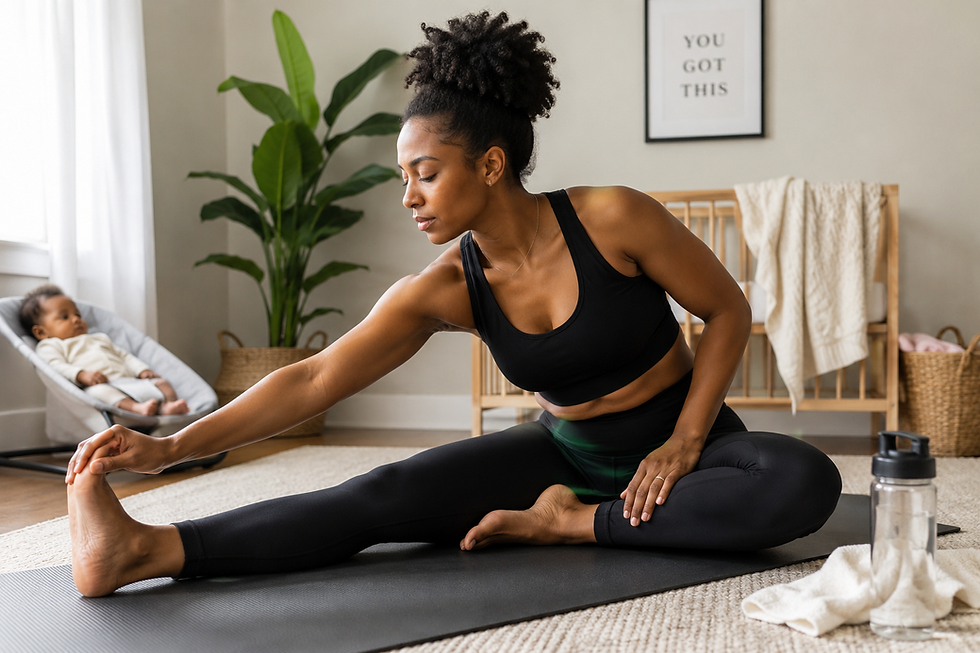
Returning to exercise after having a baby can feel overwhelming. Many new mothers want to regain strength and energy but face challenges like fatigue, physical changes, and uncertainty about what exercises are safe. Searching for workouts on Google might seem like a quick solution, but generic exercises often overlook the unique needs of postpartum bodies. This post offers practical tips to help you restart your fitness journey safely and effectively, avoiding common pitfalls of online exercise routines.
Understand Your Body’s Changes After Birth
Pregnancy and childbirth bring significant changes to your body. Muscles stretch, ligaments loosen, and your core and pelvic floor may weaken. These changes require special attention when returning to exercise. Jumping into intense workouts too soon can cause injury or prolong recovery.
Focus on:
Pelvic floor health: Weak pelvic muscles can lead to incontinence or discomfort. Gentle pelvic floor exercises like Kegels help rebuild strength. But only if your pelvic floor is not painful.
Core rebuilding: Your abdominal muscles may have separated (diastasis recti). Avoid crunches or sit-ups until cleared by a healthcare provider.
Joint stability: Hormones like relaxin remain in your system postpartum, making joints more flexible and prone to injury.
Listening to your body and progressing slowly is key. If you experience pain, leaking, or heaviness, pause and consult a professional. If you do not know where to start consult a pelvic floor physical therapist.
Why Google Exercises May Not Be the Best Idea
Online exercise searches often lead to generic workouts. Postpartum recovery is not "one size fits all." What works for someone else may not work for you. These routines can:
Ignore individual recovery timelines: Every birth and body is different. What works for one mom may not be safe for another.
Overlook pelvic floor and core safety: Many popular workouts skip essential modifications for postpartum bodies.
Encourage high-impact or intense exercises too soon: This can cause setbacks like pelvic pain or prolapse.
Instead of relying solely on internet searches, seek guidance from professionals who specialize in postpartum fitness. Physical therapists, certified postpartum trainers, or pelvic health specialists can tailor programs to your needs. However, it is import to see a pelvic health therapist first to measure readiness to return to exercise.
Start with Gentle, Supportive Movements
Begin with low-impact activities that promote healing and build foundational strength. Examples include:
Walking: A simple way to increase activity without strain. Start with short, slow walks and gradually increase duration.
Pelvic tilts and bridges: These exercises engage the core and pelvic floor gently.
Breathing exercises: Diaphragmatic breathing supports core activation and relaxation.
Stretching: Focus on areas tight from pregnancy, such as hips, lower back, and chest.
Aim for consistency rather than intensity. Even 10 to 15 minutes daily can improve mood and energy.
Incorporate Pelvic Floor and Core Rehabilitation
Rebuilding these muscles is essential for long-term health and fitness. Consider:
Pelvic floor exercises: Practice Kegels by contracting and relaxing pelvic muscles. Start with short holds and increase over time. Remember relaxing is just as important as contracting.
Core activation drills: Exercises like heel slides, modified planks, and abdominal bracing help restore core function.
Professional assessment: A pelvic floor physical therapist can evaluate muscle function and guide safe progressions.
Avoid exercises that increase abdominal pressure too early, such as heavy lifting or intense core work, until your body is ready. If any exercises cause pain or discomfort, stop and consult a medical professional.
Listen to Your Body and Adjust
Postpartum recovery is not linear. Some days you may feel strong, others tired or sore. Pay attention to signals like:
Pain in the pelvis, lower back, or abdomen
Urinary leakage or heaviness
Excessive fatigue or dizziness
If these occur, reduce intensity or rest. Gradually increase exercise difficulty as your strength and endurance improve.
Build a Supportive Environment
Having encouragement and accountability helps maintain motivation. Ideas include:
Joining postpartum exercise classes led by trained instructors
Exercising with a friend or partner
Setting realistic goals and celebrating small milestones
Prioritizing self-care and rest alongside activity
Remember, your body has done an incredible job. Treat it with patience and kindness.
When to Seek Professional Help
Consult your healthcare provider before starting any exercise program, especially if you had complications during delivery or a cesarean section. Signs to seek professional advice include:
Persistent pelvic or abdominal pain
Heavy bleeding or unusual discharge
Difficulty controlling bladder or bowel
Feeling unstable or weak during movement
A tailored program from a specialist can speed recovery and prevent injury.
Returning to exercise postpartum requires care, patience, and the right guidance. Avoid generic online workouts that may not fit your unique needs. Instead, focus on gentle movements, pelvic floor and core rehabilitation, and listen closely to your body. Building strength gradually will help you regain confidence and enjoy the benefits of physical activity safely.


Comments